How can I reduce body pain and muscle soreness naturally?

Body pain and muscle soreness are common problems that affect people of all ages in the United States. Many factors like stress, poor posture, exercise, and everyday physical activities can cause discomfort. Chronic pain or recurring muscle aches can lower your energy levels and affect daily life. Natural methods to manage pain are gaining popularity because they are safe and effective. They focus on lifestyle changes, proper nutrition, and gentle exercises. Understanding your body and knowing which remedies work best can reduce discomfort. Natural approaches also support long-term wellness, not just temporary relief. This guide explores practical ways to ease pain without relying on strong medications. Learning simple techniques can improve flexibility and reduce stiffness. By following these steps, you can enjoy a healthier, more active lifestyle.
How can I reduce body pain and muscle soreness naturally?
Muscle soreness and body pain can often be eased with natural methods. Simple changes in lifestyle, diet, and movement can reduce discomfort. These approaches target inflammation, improve circulation, and support healing. Let’s explore some effective ways to feel better naturally.
1. Gentle Stretching and Yoga
Stretching regularly improves flexibility and eases tight muscles. Yoga combines gentle movements with deep breathing, helping release tension. Start with short sessions of 10–15 minutes and gradually increase. Focus on areas that feel stiff, like shoulders, neck, or lower back. Consistency is key; daily practice can prevent soreness. Yoga also promotes better posture, reducing strain on muscles. Stretching improves blood flow, which helps muscles recover faster. Use props like blocks or straps to avoid overstretching. Gentle stretches before and after exercise can reduce post-workout soreness. Over time, this approach increases overall body strength and reduces pain episodes.
2. Heat and Cold Therapy
Using heat and cold can reduce pain and inflammation naturally. Cold therapy works best immediately after injury to numb pain and reduce swelling. Apply a cold pack for 15–20 minutes on sore areas. Heat therapy helps relax tight muscles and improves circulation. Use warm baths, heating pads, or warm compresses for 15–30 minutes. Alternating between hot and cold can be effective for chronic pain. Heat can soothe stiffness, while cold reduces inflammation. Always protect your skin with a towel to prevent burns or frostbite. Listen to your body and stop if it feels uncomfortable. Regular use of heat or cold therapy can shorten recovery time. Combining with gentle movement enhances the effects.
3. Anti-Inflammatory Foods
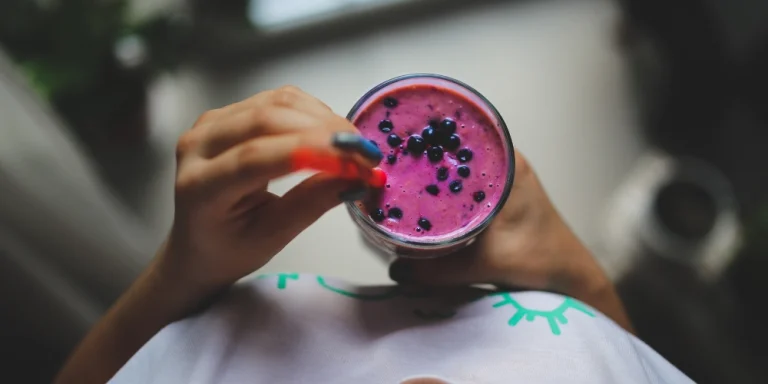
Certain foods help reduce inflammation and muscle soreness naturally. Include fruits like berries, oranges, and cherries. Leafy greens such as spinach and kale are also beneficial. Foods rich in omega-3s like salmon, walnuts, and flaxseeds help fight inflammation. Turmeric and ginger can be added to meals or teas. Drinking plenty of water supports muscle recovery. Avoid processed foods, sugar, and fried items that can worsen inflammation. Small, consistent dietary changes can improve overall energy and reduce discomfort. Pairing healthy foods with exercise enhances results. Planning balanced meals can make pain management easier. A diet that reduces inflammation supports both muscles and joints.
4. Adequate Rest and Sleep
Rest is essential for muscle recovery and pain reduction. Sleep allows the body to repair tissues and manage stress. Adults should aim for 7–9 hours of sleep per night. Short naps can also help during the day. Avoid screens at least one hour before bed to improve sleep quality. Maintain a consistent sleep schedule for better results. Comfortable mattresses and pillows reduce pressure on sore muscles. Resting after intense activity prevents further injury. Combine sleep with gentle stretching for enhanced recovery. Poor sleep can increase sensitivity to pain. Prioritizing rest supports overall wellness and reduces recurring soreness.
5. Massage and Self-Myofascial Release
Massage helps improve circulation and eases muscle tension. Professional massages can target specific sore areas. Self-massage with foam rollers or massage balls is effective at home. Apply gentle pressure to tight spots and roll slowly. Regular massage can reduce stiffness and promote relaxation. Focus on major muscle groups like back, thighs, and shoulders. Combining massage with stretching maximizes pain relief. Use oils or lotions for smooth movement. Even short sessions of 10 minutes can improve recovery. Over time, this practice can prevent chronic muscle tension.
Frequently Asked Questions
Muscle soreness and body pain are common, and many people have simple questions about relief. Here are answers to a few.
Q1: How long does muscle soreness usually last?
Mild muscle soreness often lasts 24–72 hours, especially after new or intense activity. Gentle stretching and rest can shorten this period. Severe or persistent pain may require professional evaluation. Staying hydrated and eating anti-inflammatory foods can help recovery.
Q2: Can natural remedies replace pain medication?
Yes, for mild to moderate soreness, natural methods like stretching, heat therapy, and diet can be effective. They support long-term recovery and reduce reliance on medications. Severe pain may still require medical guidance. Combining both approaches often works best.
Conclusion
Reducing body pain and muscle soreness naturally involves a combination of lifestyle habits, diet, and gentle movement. Stretching, yoga, and massage help release tension and improve flexibility. Heat and cold therapy support recovery and reduce inflammation. Eating anti-inflammatory foods nourishes muscles and joints. Adequate sleep allows the body to repair itself naturally. Consistency is key for long-term relief and prevention. Small daily practices can lead to big improvements in comfort and energy. By following these steps, you can enjoy an active and pain-free life.