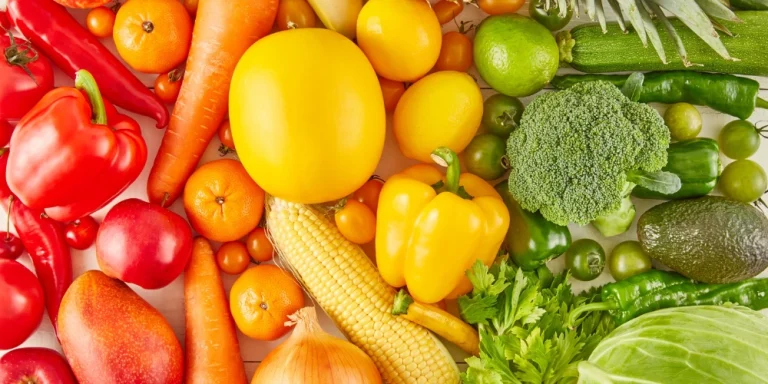

What are the best ways to stay healthy during seasonal changes?

Seasonal changes can affect your health in many ways. As the weather shifts from winter to spring, summer to fall, or vice versa, your body needs to adjust. These changes can impact your immunity, energy levels, mood, and even your skin. Eating the right foods, staying active, and practicing good habits can help your body adapt. Many people experience colds, allergies, or fatigue during these periods. Being prepared can reduce these problems. Simple lifestyle adjustments can make a big difference. Drinking enough water, eating fresh produce, and managing stress are key. Understanding your body’s needs during each season is essential. Staying consistent with healthy habits helps you feel your best year-round.
What are the best ways to stay healthy during seasonal changes?
Seasonal changes often bring challenges like cold weather, heat, or pollen allergies. Staying healthy during these times requires extra care. Simple lifestyle habits can protect you and improve your energy. Here are some important ways to maintain your health.
1. Strengthen Your Immunity
Your immune system can get weaker during seasonal transitions. Eating foods rich in vitamins and minerals, such as citrus fruits, leafy greens, and nuts, helps. Vitamin C, vitamin D, and zinc are especially important. Regular exercise also boosts your immunity. Adequate sleep is necessary for your body to repair itself. Avoiding excessive sugar and processed foods can prevent inflammation. Drinking plenty of water flushes out toxins. Managing stress through meditation or breathing exercises reduces immune suppression. Avoid smoking and limit alcohol consumption. Frequent handwashing prevents infections. Seasonal vaccines, like the flu shot, add extra protection. Keeping your living space clean helps reduce germs. Avoid crowded places during peak illness times. Listen to your body and rest when needed. Combining these habits strengthens your body naturally.
2. Stay Active Throughout the Seasons
Physical activity helps your body adjust to changing weather. Outdoor exercises like walking, running, or cycling can boost mood and energy. During cold months, indoor workouts such as yoga, pilates, or bodyweight exercises work well. Exercise improves circulation and strengthens muscles and joints. It also helps regulate body temperature and metabolism. Stretching regularly prevents stiffness during colder months. Try to maintain a routine even when the weather is extreme. Group activities or online classes increase motivation. Activity improves sleep quality, which is vital for seasonal adjustment. Always dress appropriately for outdoor activities to avoid illness. Listen to your body to prevent injury. Hydrate well before, during, and after exercise. Combining cardio, strength, and flexibility exercises provides overall health benefits. Exercise also reduces stress, which helps immunity. Creating a flexible plan ensures you stay active year-round.
3. Eat Seasonal and Nutritious Foods
Eating foods in season provides more nutrients and supports your body’s needs. Fresh fruits and vegetables contain vitamins and antioxidants to fight illness. Winter foods like citrus, root vegetables, and leafy greens support immunity. Summer foods like berries, melons, and cucumbers help hydration. Fall foods like squash, apples, and sweet potatoes provide energy. Spring foods like asparagus, peas, and strawberries help detoxify the body. Include protein sources like fish, eggs, and legumes for tissue repair. Healthy fats like olive oil, avocado, and nuts improve brain function. Limit processed foods and sugary snacks. Drinking herbal teas can provide warmth or cooling benefits. Using herbs and spices like ginger, garlic, and turmeric reduces inflammation. Cooking meals at home allows better portion control. Hydration is essential with seasonal changes, especially in hot or dry weather. Consuming probiotics from yogurt or fermented foods improves gut health. Planning meals around seasonal produce keeps your diet fresh and balanced.
4. Protect Your Skin and Hydration
Weather changes affect skin health, making it dry or sensitive. In winter, use moisturizers to prevent dryness and cracking. In summer, apply sunscreen to protect against harmful UV rays. Drinking enough water maintains hydration and skin elasticity. Using gentle cleansers prevents irritation. Humidifiers in dry months add moisture to the air. Avoid long, hot showers that strip natural oils. Wearing appropriate clothing reduces exposure to harsh weather. Lip balms and hand creams prevent chapping. Natural oils like coconut or almond oil can protect skin. Eating foods rich in antioxidants supports skin repair. Limit caffeine and alcohol, which dehydrate the skin. Regular exfoliation removes dead skin cells and keeps skin smooth. Staying consistent with skincare prevents seasonal flare-ups. Adjust skincare products based on weather and humidity. Protecting skin contributes to overall comfort and health.
Frequently Asked Questions
Seasonal changes often bring common health concerns. Here are answers to some important questions.
Q1: How can I avoid getting sick during seasonal changes?
Eat a balanced diet with plenty of fruits and vegetables. Stay hydrated and get regular exercise. Wash your hands frequently and avoid crowded areas if possible. Adequate sleep and stress management also help your immune system.
Q2: What should I eat to adjust to seasonal changes?
Choose seasonal fruits and vegetables for maximum nutrients. Include protein and healthy fats in every meal. Avoid processed foods and sugary snacks. Drink herbal teas and water to maintain hydration.
Conclusion
Staying healthy during seasonal changes requires planning and consistency. Strengthening your immunity, staying active, and eating seasonal foods are key steps. Protecting your skin and maintaining hydration support overall well-being. Adequate sleep, stress management, and hygiene prevent illness. Listening to your body and adjusting routines ensures comfort and energy. Simple habits like washing hands, exercising, and eating fresh produce make a big difference. Following these steps helps you stay healthy and feel your best year-round.