
How can I naturally improve my blood circulation at home?

Good blood circulation keeps every part of the body working well. Blood carries oxygen, nutrients, and hormones to organs and tissues. When circulation is healthy, the heart, brain, muscles, and skin receive what they need to function properly. Poor circulation can cause tiredness, cold hands and feet, muscle cramps, and slow healing. Many people in the United States look for natural ways to support better circulation without complicated treatments. The good news is that several simple habits at home can help blood move more smoothly through the body. Regular movement, healthy foods, and good daily routines play an important role. These natural methods are easy to follow and safe for most people. Improving circulation also supports heart health and overall wellness. Small changes in everyday life can make a big difference over time.
How can I naturally improve my blood circulation at home?
Healthy blood circulation is important for energy, heart health, and proper body function. Poor circulation may lead to numbness, swelling, fatigue, or cold limbs. The good news is that simple habits at home can help improve blood flow naturally. By adjusting daily routines, exercise, and diet, many people can support better circulation without complicated treatments.
Stay Physically Active Every Day
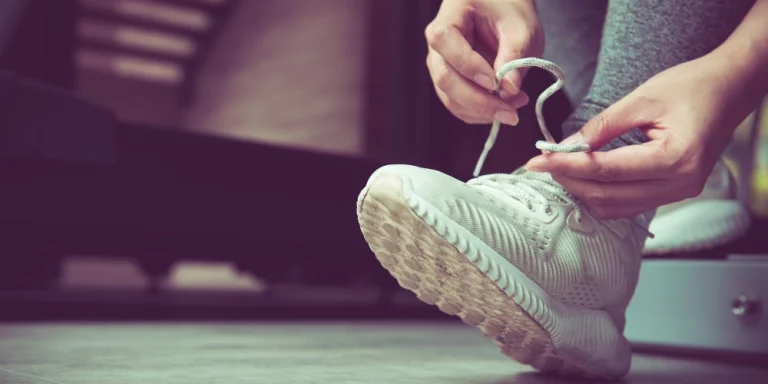
Regular movement is one of the best ways to improve blood circulation naturally. When the body moves, the heart pumps blood more efficiently. This helps oxygen and nutrients reach every part of the body. Simple exercises can improve blood flow even without intense workouts. Walking around the house or outside can help activate muscles and circulation. Stretching in the morning helps loosen stiff muscles and improves blood movement. Light activities such as yoga can help relax the body and improve circulation. Sitting for long periods can slow down blood flow, especially in the legs. Standing up and moving every 30–60 minutes can make a big difference. Gentle leg movements while sitting can also support better circulation. Climbing stairs is another simple way to activate the heart and muscles. Daily exercise helps strengthen the heart over time. Stronger heart muscles pump blood more effectively throughout the body. Even short workouts of 15–20 minutes can improve circulation. Dancing, cycling, or light jogging can also support healthy blood flow. Consistency is more important than intensity when exercising. People who move regularly often experience warmer hands and feet. Regular activity can also reduce swelling in the legs and ankles. Exercise also supports healthy blood pressure. Good circulation helps maintain healthy organs and tissues. Making daily movement a habit is one of the easiest ways to support circulation at home.
Eat Foods That Support Healthy Blood Flow
Nutrition plays a big role in maintaining good blood circulation. Certain foods help relax blood vessels and improve blood flow. Fruits and vegetables are rich in vitamins and antioxidants that support heart health. Citrus fruits such as oranges and lemons contain vitamin C, which helps strengthen blood vessels. Leafy greens like spinach and kale provide important nutrients that support circulation. Garlic is known to help widen blood vessels and improve blood flow. Ginger may also help stimulate circulation and reduce inflammation. Nuts and seeds contain healthy fats that support heart health. Omega-3 fatty acids found in fish can improve blood vessel function. Drinking enough water is also essential for healthy circulation. Dehydration can make blood thicker and harder to pump. Whole grains help maintain steady blood sugar and support heart health. Berries contain antioxidants that protect blood vessels. Dark chocolate in small amounts may support circulation due to its flavonoids. Reducing processed foods can also improve blood flow. Too much salt may raise blood pressure and affect circulation. A balanced diet supports overall cardiovascular health. Healthy eating habits can also help control body weight. Maintaining a healthy weight reduces pressure on the heart and blood vessels. Good nutrition provides the body with the fuel it needs to maintain proper circulation.
Practice Simple Home Habits That Improve Circulation
Small daily habits can make a big difference in blood circulation. One helpful habit is elevating the legs for a few minutes each day. This can reduce swelling and help blood return to the heart more easily. Wearing comfortable clothing helps prevent restriction of blood flow. Tight clothing can sometimes slow circulation in certain areas of the body. Gentle massage can also help stimulate blood movement. Massaging the legs, arms, or feet encourages blood to flow through the tissues. Warm baths may help relax muscles and widen blood vessels. Good posture is another important factor for healthy circulation. Sitting or standing with proper posture allows blood to move freely through the body. Deep breathing exercises can improve oxygen flow in the bloodstream. Slow breathing helps the body relax and supports heart function. Sleeping well each night is also important for circulation. During sleep, the body repairs tissues and balances important systems. Avoiding smoking is also essential for healthy blood vessels. Tobacco can damage blood vessel walls and reduce circulation. Stress management can also improve heart health. Activities like meditation or reading can help reduce stress levels. Drinking herbal tea and staying hydrated supports healthy blood flow. Regular stretching throughout the day keeps muscles active. These simple home habits can gradually improve circulation over time. When practiced consistently, they support overall health and well-being.
Frequently Asked Questions
Many people want simple ways to improve circulation at home. These common questions explain practical and safe steps for better blood flow.
1. What are common signs of poor blood circulation?
Common signs include cold hands and feet, numbness, swelling in the legs, muscle cramps, and fatigue. Some people may also notice slow wound healing or skin color changes. If symptoms become severe or persistent, medical advice may be necessary.
2. How long does it take to improve blood circulation naturally?
Small improvements can appear within a few weeks of regular exercise and healthy habits. Consistency with movement, good nutrition, and hydration helps the body adjust gradually. Long-term lifestyle changes often bring the best results.
Conclusion
Improving blood circulation at home is possible with simple daily habits. Regular physical activity helps the heart pump blood more efficiently. Eating nutritious foods supports healthy blood vessels and better circulation. Drinking enough water keeps blood flowing smoothly throughout the body. Simple habits like stretching, massage, and good posture can also make a difference. Healthy sleep and stress management further support heart health. These natural methods are easy to practice and safe for most people. With consistent effort, better circulation can lead to improved energy and overall well-being.