
How can I naturally control my appetite for weight loss?

Controlling your appetite is one of the most important steps for healthy weight loss. Many people struggle with constant hunger or cravings that make it hard to stick to a diet. Understanding how your body signals hunger and fullness can help you eat the right amount without feeling deprived. Natural methods to control appetite focus on balancing hormones, improving digestion, and choosing foods that keep you full longer. Simple changes in daily habits can make a big difference in reducing overeating. Hydration, sleep, and stress management all play a role in appetite control. Including fiber, protein, and healthy fats in meals helps slow digestion and maintain energy. Eating mindfully allows you to enjoy food without overeating. Avoiding highly processed and sugary foods can prevent sudden spikes in hunger. By adopting consistent strategies, you can naturally manage your appetite and support long-term weight loss.
How can I naturally control my appetite for weight loss?
Managing appetite naturally is about making your body feel satisfied with less food. By focusing on nutrient-rich foods, proper hydration, and mindful eating, you can reduce cravings and prevent overeating. Small lifestyle changes can have a big impact on your hunger signals. Below are effective strategies to naturally control appetite.
Eat More Protein
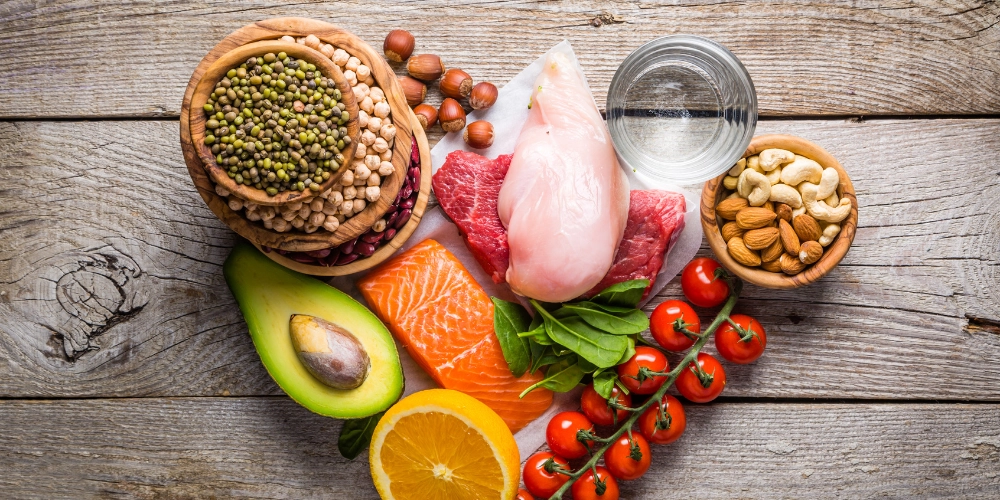
Protein is one of the most effective nutrients for reducing hunger. Foods like eggs, chicken, fish, beans, and yogurt help keep you full for longer periods. Protein triggers the release of hormones that signal satiety to the brain. Including protein in every meal can reduce the likelihood of snacking between meals. Studies show that people who eat more protein often consume fewer calories overall. Protein also supports muscle maintenance during weight loss. Lean protein options are best to avoid excess calories and saturated fats. Pairing protein with vegetables or whole grains enhances fullness. Greek yogurt or cottage cheese are convenient protein snacks. Even plant-based proteins like lentils and tofu are highly effective for appetite control.
Increase Fiber Intake
Fiber slows digestion and keeps you feeling full longer. Vegetables, fruits, whole grains, nuts, and seeds are excellent sources of fiber. High-fiber foods absorb water, expanding in your stomach and reducing hunger. Eating fiber-rich meals stabilizes blood sugar and prevents energy crashes. Soluble fiber in oats, beans, and chia seeds is especially effective at controlling appetite. Fiber also promotes healthy gut bacteria, which can influence hunger hormones. A diet high in fiber may naturally reduce the number of calories you eat. It is important to drink enough water when increasing fiber to avoid digestive discomfort. Adding a variety of colorful vegetables ensures you get different types of fiber. Gradually increasing fiber intake prevents bloating and helps your body adjust.
Stay Hydrated
Drinking enough water throughout the day can help control appetite. Sometimes thirst is mistaken for hunger, leading to unnecessary snacking. Drinking a glass of water before meals can help you eat less. Herbal teas and water-rich foods like cucumbers, watermelon, and oranges also contribute to hydration. Proper hydration improves digestion and metabolism. Carrying a water bottle makes it easier to sip consistently. Drinking warm water in the morning may help kickstart your metabolism. Carbonated water can create a sense of fullness without added calories. Avoid sugary drinks, which increase hunger and cravings. Hydration supports your body’s natural signals to stop eating when full.
Practice Mindful Eating
Mindful eating is paying full attention to your food while eating. Avoid distractions like phones or TV during meals. Eating slowly allows your brain to recognize fullness cues. Chewing thoroughly improves digestion and reduces the likelihood of overeating. Focus on the taste, texture, and aroma of food to enjoy meals more. Mindful eating can help you notice emotional eating triggers. Using smaller plates can help control portions visually. Plan meals and snacks in advance to reduce impulsive eating. Avoid skipping meals, as this can lead to excessive hunger later. Over time, mindful eating improves your relationship with food and helps naturally regulate appetite.
Get Enough Sleep
Lack of sleep can increase appetite and cravings for unhealthy foods. Poor sleep affects hormones like ghrelin, which stimulates hunger, and leptin, which signals fullness. Adults should aim for 7–9 hours of quality sleep each night. Consistent sleep patterns reduce late-night snacking. Sleep also helps regulate blood sugar and energy levels. A well-rested body has better control over hunger signals. Avoid screens and caffeine before bedtime to improve sleep quality. Creating a relaxing bedtime routine can enhance sleep and appetite regulation. Naps are fine in moderation but shouldn’t replace nighttime sleep. Prioritizing sleep supports weight loss and natural appetite control.
Manage Stress
High stress can trigger emotional eating and cravings for sugary or high-fat foods. Stress releases cortisol, a hormone that increases appetite and fat storage. Practicing stress management techniques helps prevent overeating. Activities like meditation, yoga, deep breathing, or walking can lower stress levels. Regular exercise also reduces cortisol and improves mood. Journaling about feelings can reduce emotional triggers for eating. Connecting with friends or family provides social support that helps manage stress. Even hobbies like reading or painting can serve as healthy distractions. Managing stress improves mental clarity and body awareness, supporting natural appetite control.
Frequently Asked Questions
Controlling appetite naturally raises common questions about diet and lifestyle. Here are answers to some of the most frequent concerns.
Q1: Can drinking coffee help reduce appetite?
Yes, coffee can temporarily suppress appetite due to its caffeine content. Caffeine increases metabolism and may reduce hunger for a short period. However, it should not replace balanced meals and should be consumed without high-calorie additives. Excess caffeine may disrupt sleep, which can increase appetite later.
Q2: Are there foods that increase appetite naturally?
Yes, highly processed foods, sugary snacks, and refined carbs can increase appetite. They cause rapid blood sugar spikes and crashes, leading to more hunger. Foods high in protein, fiber, and healthy fats are better choices to keep appetite in check. Eating balanced meals prevents these spikes and promotes fullness.
Conclusion
Naturally controlling appetite is a key factor for successful weight loss. Focus on protein, fiber, and hydration to stay full longer. Mindful eating helps you recognize when you are truly hungry. Prioritizing sleep and managing stress supports your body’s natural hunger signals. Avoid processed foods that trigger cravings. Consistency with these habits leads to gradual, sustainable weight loss. Small, daily changes have a big impact over time. By adopting these natural strategies, you can control your appetite and reach your health goals effectively.