
How can I improve my skin health naturally without products?

Inflammation is a natural process that helps your body fight infections and heal injuries. However, chronic inflammation can lead to serious health problems like heart disease, diabetes, and arthritis. The good news is that what you eat can play a major role in controlling inflammation. Choosing the right foods can help reduce swelling, support your immune system, and improve overall health. Many natural foods contain antioxidants, vitamins, and minerals that fight inflammation. By including these foods in your daily diet, you can feel more energetic and healthy. Foods like fruits, vegetables, nuts, and fish are especially effective. Avoiding processed foods and sugary drinks also helps reduce inflammation. This guide will explain the best anti-inflammatory foods for your body. Eating smart is one of the easiest ways to support long-term wellness.
What are the best foods to reduce inflammation in the body?
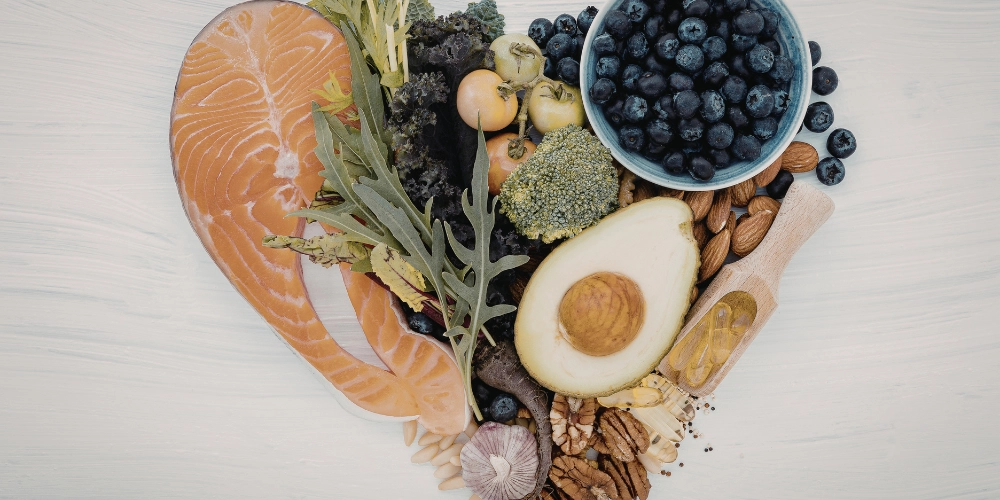
Certain foods contain nutrients that naturally fight inflammation. Including them in your diet regularly can reduce pain and protect your body from chronic diseases. The focus is on fresh, whole foods rather than processed products.
1. Fruits and Berries
Fruits are packed with antioxidants, vitamins, and fiber, all of which help reduce inflammation. Berries like blueberries, strawberries, and raspberries contain compounds called anthocyanins. These compounds protect cells from damage and lower inflammatory markers. Apples, oranges, and cherries are also excellent choices because they have vitamin C and flavonoids. Eating a variety of colorful fruits ensures you get multiple antioxidants. These nutrients not only reduce inflammation but also improve heart health and boost immunity. Fresh fruits are best, but frozen options can also retain their anti-inflammatory properties. Try adding berries to yogurt, oatmeal, or smoothies. Apples and oranges are perfect for snacks and can replace sugary treats. Eating fruits daily provides fiber, which supports gut health. A healthy gut is closely linked to lower inflammation in the body.
2. Leafy Green Vegetables
Leafy greens like spinach, kale, and Swiss chard are rich in vitamins A, C, and K. They also contain antioxidants and minerals like magnesium, which reduce inflammation. Spinach has compounds called carotenoids that fight free radicals. Kale contains sulforaphane, known for lowering inflammation in the body. These vegetables are low in calories but high in nutrients, making them ideal for long-term health. Eating leafy greens daily can help protect against chronic diseases. They are easy to include in salads, soups, or smoothies. Cooking lightly preserves most nutrients, while overcooking can reduce their benefits. Pairing greens with healthy fats like olive oil helps absorb fat-soluble vitamins. Leafy greens also support heart health and improve digestion.
3. Fatty Fish
Fatty fish such as salmon, mackerel, sardines, and trout are excellent sources of omega-3 fatty acids. Omega-3s reduce the production of inflammatory molecules in the body. Regular consumption can improve joint health, reduce arthritis symptoms, and support brain function. Fatty fish also contain high-quality protein and vitamin D. Grilled, baked, or steamed fish are healthy ways to prepare them. Avoid fried options to maximize benefits. Eating two to three servings per week is recommended for most adults. Omega-3 supplements can be used if you don’t eat fish. Pairing fish with vegetables and whole grains creates a balanced anti-inflammatory meal.
4. Nuts and Seeds
Almonds, walnuts, flaxseeds, and chia seeds are rich in healthy fats, fiber, and antioxidants. Walnuts are particularly high in omega-3s, which help reduce inflammation. Almonds contain vitamin E, which protects cells from damage. Flaxseeds and chia seeds are versatile and can be added to smoothies, oatmeal, or yogurt. Nuts and seeds support heart health and maintain healthy cholesterol levels. Eating a small handful daily can provide significant benefits. They also help control hunger and stabilize blood sugar. Choose raw or lightly roasted options without added salt or sugar. Combining nuts with fruits or vegetables makes a nutritious snack.
5. Whole Grains
Whole grains like oats, quinoa, brown rice, and barley are high in fiber and antioxidants. Fiber supports gut health, which is directly linked to lower inflammation. Whole grains help regulate blood sugar and reduce the risk of heart disease. Oats are rich in beta-glucans, which improve immune function. Quinoa provides plant-based protein and essential amino acids. Replacing refined grains with whole grains can significantly lower inflammatory markers. Whole grains are versatile and can be used in salads, breakfasts, or main dishes. Start your day with oatmeal or use brown rice as a base for meals. Avoid highly processed grains like white bread or white rice.
6. Spices and Herbs
Spices like turmeric, ginger, garlic, and cinnamon have strong anti-inflammatory properties. Turmeric contains curcumin, a compound that blocks inflammatory pathways. Ginger reduces swelling and improves digestion. Garlic boosts immunity and lowers inflammation in blood vessels. Cinnamon helps regulate blood sugar and reduce inflammatory markers. Using these spices in cooking enhances flavor and provides health benefits. Fresh, ground, or powdered forms can be used in various recipes. Combining turmeric with black pepper increases absorption. Regular use of these spices can protect against chronic diseases.
Frequently Asked Questions
Many people wonder how diet affects inflammation and which foods are most effective. Here are some common questions:
1. Can diet really reduce chronic inflammation?
Yes, diet plays a major role in controlling inflammation. Eating anti-inflammatory foods like fruits, vegetables, nuts, and fatty fish can lower inflammatory markers. Avoiding processed foods and sugar further reduces inflammation. Over time, a healthy diet can improve joint health, heart function, and overall well-being.
2. How often should I eat anti-inflammatory foods?
For best results, include anti-inflammatory foods in every meal. Aim for at least 2–3 servings of fruits and vegetables daily, two servings of fatty fish weekly, and daily portions of nuts, seeds, and whole grains. Consistency is key to reducing inflammation over time.
Conclusion
Inflammation is a natural part of the body, but chronic inflammation can cause serious health issues. Choosing anti-inflammatory foods is an effective way to protect your body. Fruits, vegetables, fatty fish, nuts, seeds, whole grains, and spices are all excellent choices. Avoiding processed foods, sugar, and refined grains helps even more. Simple lifestyle changes, like eating a balanced diet and staying active, make a big difference. Incorporate these foods daily to improve energy, immunity, and overall health. Over time, a diet focused on anti-inflammatory foods can support long-term wellness. Small changes in your eating habits can lead to big improvements in how you feel.